





If you live in British Columbia and rely on an emotional support animal (ESA) to manage symptoms of anxiety, depression, PTSD, or another mental health condition, understanding your legal rights is essential. British Columbia provides housing protections for ESAs through the Human Rights Code, ensuring residents with disabilities can live with their emotional support animals despite “no pets” policies.
This comprehensive guide explains BC’s ESA laws, housing protections under the BC Human Rights Code, how to obtain a legitimate ESA letter from a licensed British Columbia mental health professional, and crucial information about where ESAs are and aren’t permitted.
⚠️ Critical Distinction: ESAs vs. Certified Service Dogs
BC’s Guide Dog and Service Dog Act allows certification ONLY for trained service dogs and guide dogs: NOT for emotional support animals. However, ESAs are still protected under the BC Human Rights Code through the duty to accommodate when they are part of a disability-related treatment plan.
⚠️ Warning: No Official ESA Registration or Certification Exists
Companies selling “ESA registration” or “ESA certification” in British Columbia are fraudulent. The only legally valid documentation is an ESA letter from a licensed BC mental health professional.
Quick Facts: British Columbia ESA Rights
- Housing protections: ESAs are protected under the BC Human Rights Code (Chapter 210) through duty to accommodate
- “No pets” clauses ARE enforceable for regular pets under the Residential Tenancy Act, but NOT for ESAs with proper documentation
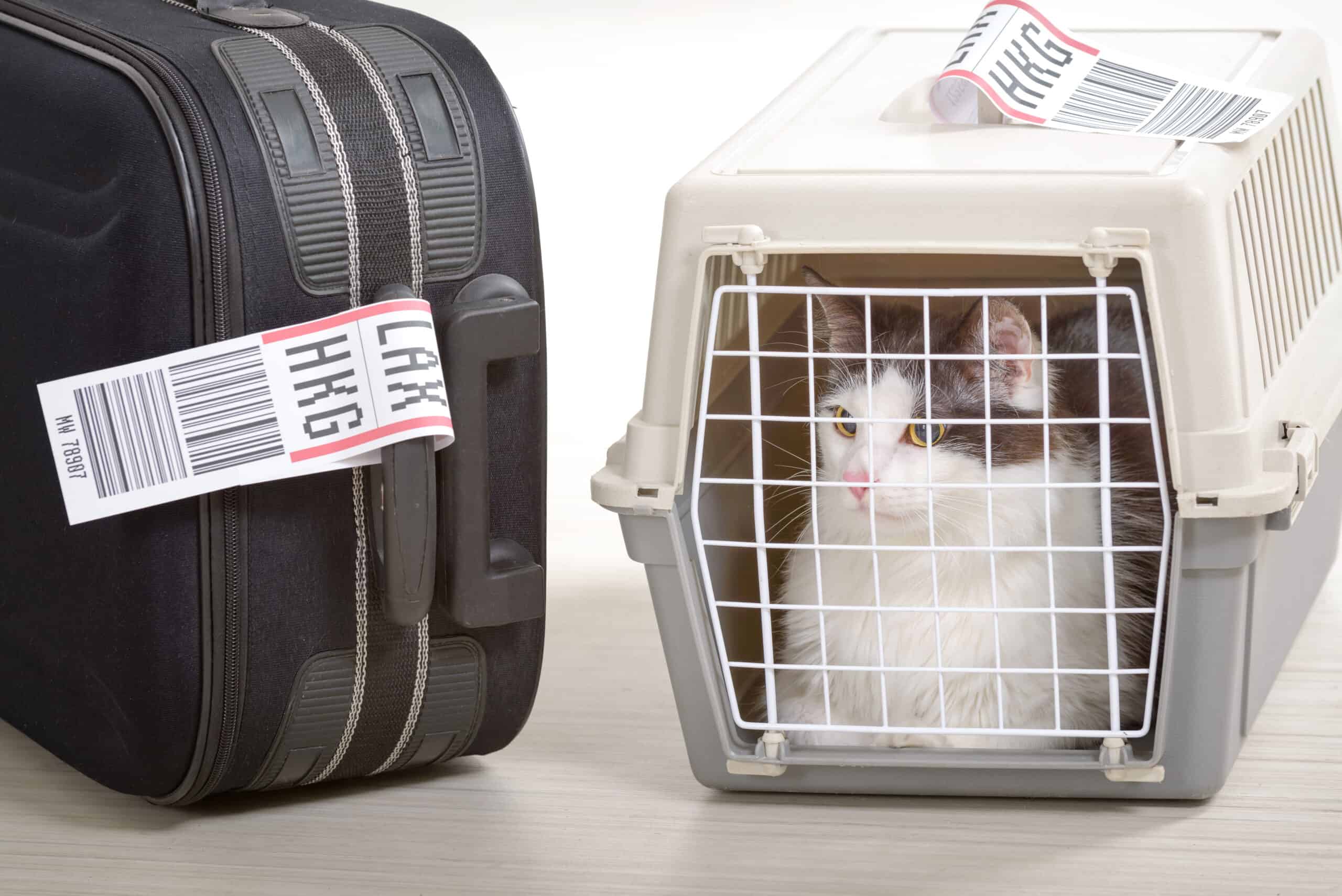
- Pet damage deposits allowed for pets: BC allows up to half-month’s rent for pet deposits, but NO deposits can be charged for service animals or ESAs
- Breed and size restrictions don’t apply: ESAs cannot be denied based on breed, weight, or age when properly documented
- Strata corporations must accommodate: Condos and townhouses governed by strata bylaws must accommodate ESAs under Section 8 of the Human Rights Code
- No public access rights: ESAs do NOT have automatic access to restaurants, stores, or public places
- Not eligible for Guide Dog and Service Dog Act certification: Only trained service dogs can be certified; ESAs cannot
- Air travel protections limited: Following 2023 Canadian Transportation Agency changes, most airlines now treat ESAs as regular pets
- No workplace guarantees: Employment access depends on employer discretion and individual accommodation requests
- Disputes handled by BC Human Rights Tribunal: ESA housing disputes are resolved through the BC Human Rights Tribunal or Residential Tenancy Branch
CertaPet is Fully Compliant with British Columbia ESA Law
- Licensed British Columbia mental health professionals
- Fast digital delivery
- 100% money-back guarantee
What is an Emotional Support Animal in British Columbia?
An emotional support animal (ESA) in British Columbia is a pet who helps alleviate the symptoms of a person’s emotional or mental health conditions through their presence. ESAs in BC offer relief to their owners just by being there and creating a sense of security and routine thanks to their companionship. No specialized training is required of ESAs in British Columbia.
Important distinction: An ESA is NOT a service animal. Service dogs are trained to perform specific tasks related to a person’s disability and can be certified under BC’s Guide Dog and Service Dog Act. ESAs cannot be certified under this Act, but they are still protected under the BC Human Rights Code when required for disability accommodation.
British Columbia ESA Laws: Provincial Protections
BC Human Rights Code (Chapter 210)
The BC Human Rights Code is the primary legal framework protecting ESAs in the province. Section 8 of the Code prohibits discrimination based on disability in housing accommodations.
Key Legal Principle: Section 8 states that “A person must not deny to a person with a disability residential premises advertised or otherwise represented as available for occupancy by a tenant.”
BC Human Rights Council Guidance: According to the BC Human Rights Council’s article “No-Pet Clauses and Human Rights,” while landlords can prohibit pets under the Residential Tenancy Act, “the BC Human Rights Code provides an important caution. A person with a disability who relies on an animal in connection with their disability has a right to have their needs accommodated.”
Critical Case Law: In BH obo CH v. Creekside Estates Strata (2016 BCHRT 100), the BC Human Rights Tribunal ruled in favor of a young girl keeping her emotional support dog despite strata bylaws containing a pet prohibition. The Tribunal clarified that:
“The fact that the animal is not certified is not relevant to whether a landlord or strata has a duty to accommodate. The duty arises whenever a resident has a disability, and depriving the resident of their support animal would have a negative, disability-related impact on them.”
This landmark case established that ESAs are protected under BC human rights law when they are part of disability-related treatment.
Guide Dog and Service Dog Act
BC’s Guide Dog and Service Dog Act provides certification ONLY for trained service dogs and guide dogs and NOT for emotional support animals.
Residential Tenancy Act
BC’s Residential Tenancy Act governs landlord-tenant relationships and differs significantly from Ontario’s approach to pets.
Critical Difference from Ontario:
- Ontario: All “no pets” clauses are automatically void under the Residential Tenancies Act
- British Columbia: Landlords CAN include “no pets” clauses in lease agreements, and these clauses ARE enforceable for regular pets
However: “No pets” clauses do NOT apply to service animals or emotional support animals required due to disability. Human rights law overrides tenancy law in these cases.
What this means for ESA owners:
- You cannot be denied housing or evicted solely for having an ESA with proper documentation
- You must request reasonable accommodation under the Human Rights Code
- Landlords must accommodate unless it would cause “undue hardship”
- The accommodation process is individualized based on your specific needs
Strata Property Act and Strata Bylaws
For condominium owners and tenants, the Strata Property Act governs relations between strata corporations and residents.
Key Protection: Section 8 of the BC Human Rights Code prohibits strata corporations from enforcing or applying their bylaws in a way that discriminates against a person based on disability.
What this means:
- Strata pet bylaws do NOT apply to ESAs when required for disability accommodation
- Stratas cannot deny housing because of a legitimate ESA
- Stratas cannot enforce pet weight, size, or count limits on ESAs
- Stratas cannot fine residents for having properly documented ESAs
- “Grandfathering” provisions don’t affect ESA protections (you don’t need to have had the ESA before a bylaw was passed)
Important for condo buyers: If you’re purchasing a condo with an ESA, you can request accommodation even in buildings with strict pet restrictions or “no pets” policies, including 55+ buildings.
BC Human Rights Tribunal
The BC Human Rights Tribunal is the primary body that handles discrimination complaints in BC, including ESA housing disputes.
The Tribunal’s Role:
- Hears complaints of discrimination based on disability
- Evaluates whether housing providers have fulfilled their duty to accommodate
- Issues binding decisions
- Can order remedies including monetary compensation, policy changes, and accommodation approval
For ESA disputes: The Tribunal uses a two-part test:
- Does the person have a disability?
- Would not having the ESA have a negative, disability-related impact on them?
Where ESAs Are NOT Protected in British Columbia
- Public spaces: Restaurants, grocery stores, shopping malls, retail stores
- Public transportation: BC Transit, TransLink (unless specific policies allow)
- Hotels and motels: Unless pet-friendly policies exist
- Workplaces: No automatic protections; accommodation requests are case-by-case
- Healthcare facilities: Hospitals and clinics can restrict animal access for health and safety
- Educational institutions: Universities and colleges may have separate accommodation processes
Who Can Issue an ESA Letter in British Columbia?
Your ESA letter must be issued by a healthcare provider licensed to practice in British Columbia. Acceptable professionals include:
✅ Licensed Mental Health Professionals
- Registered psychologists
- Registered clinical counsellors
- Clinical social workers
- Registered psychiatric nurses
✅ Medical Professionals
- Physicians (MD)
- Psychiatrists
- Nurse practitioners
Critical Requirement: The provider must be licensed and actively practicing in British Columbia. Out-of-province providers cannot issue valid BC ESA letters unless the letter was obtained while you were physically located in that province.
You can verify licensed professionals through:
- College of Psychologists of British Columbia: psychologists.bc.ca
- BC Association of Clinical Counsellors: bc-counsellors.org
- College of Physicians and Surgeons of BC: cpsbc.ca
According to BC Human Rights Tribunal case law: The provider must be able to confirm that the ESA is required as part of your disability-related treatment program and that not having the animal would have a negative, disability-related impact on you.
Important: Services promising “instant ESA letters” without proper clinical evaluation produce fraudulent documentation that landlords and stratas can legally reject.
How to Get an ESA Letter in British Columbia
Follow these steps to obtain a legally valid BC ESA letter:
Step 1: Find a BC-Licensed Mental Health Professional
You can:
- Request an ESA evaluation from your current therapist or doctor (if licensed in BC)
- Use a legitimate online telehealth service like CertaPet that connects you with BC-licensed professionals
- Seek referrals from your family doctor
- Contact professional licensing bodies for provider listings
Avoid: Instant online ESA certificates, ESA registries, or any service that doesn’t conduct a real evaluation with a licensed BC provider.
Step 2: Complete a Clinical Evaluation
The licensed mental health professional will assess:
- Whether you have a mental or emotional disability recognized under the Human Rights Code
- Whether an ESA is necessary as part of your treatment program
- Whether having an animal is appropriate and reasonable for your living situation
- How the specific animal helps alleviate symptoms of your disability or how not having the animal would negatively impact you
This evaluation can be conducted via telehealth (phone or video) or in-person.
Step 3: Receive Your ESA Letter
If approved, the mental health professional will issue your ESA letter on their official letterhead. Most reputable online services provide:
- Electronic PDF version (immediately)
- Printable copy
- Hard copy via mail (upon request)
A compliant BC ESA letter should include the following:
Provider’s official letterhead with practice name and address
- Provider’s full name, credentials, and license information
- Provider’s official letterhead with practice name and address
- Date of issuance
ESA letters are valid for 12 months from the issue date - Your name (as the person qualifying for the ESA)
- Statement confirming disability
Confirmation that you have a mental or emotional disability recognized under the Human Rights Code (specific diagnosis not required) - Statement about the animal’s therapeutic role
Explanation that the animal is required as part of your disability-related treatment program and that not having the animal would have a negative, disability-related impact on you - Confirmation of therapeutic relationship
Statement that the provider has knowledge of your condition gained through a therapeutic relationship
Step 4: Request Accommodation from Landlord or Strata
For Rental Housing:
- Provide your ESA letter to your landlord or property manager
- Make a formal accommodation request under the BC Human Rights Code
- Explain that you require the ESA as a disability-related accommodation
- Be prepared to engage in the accommodation process
For Strata/Condo Housing:
- Submit your ESA letter to the strata council or property management
- Include a written accommodation request citing Section 8 of the BC Human Rights Code
- Request confirmation that your assistance animal will be accommodated despite any pet bylaws
- Engage in good-faith dialogue about any reasonable behavioral expectations
Sample Request Letter:
“I am requesting reasonable accommodation under Section 8 of the BC Human Rights Code to live with my emotional support animal at [property address]. Attached is a letter from my licensed healthcare provider confirming that my animal is necessary for my mental health and well-being. Please confirm that my assistance animal will be accommodated despite any pet bylaws or restrictions.”
Important: Even if your lease or strata bylaws contain “no pets” clauses, these do NOT apply to your ESA when you have proper documentation and a legitimate disability-related need.
Step 5: Maintain Current Documentation
ESA letters expire after 12 months. Schedule a renewal consultation with your BC-licensed mental health professional before your letter expires to maintain continuous housing protections.
British Columbia ESA Housing Rights Explained
How “No Pets” Clauses Work with ESAs
Unlike Ontario (where all no-pet clauses are void) but similar to most other provinces, British Columbia allows landlords to include and enforce “no pets” clauses in rental agreements under the Residential Tenancy Act.
HOWEVER: These clauses do NOT apply to ESAs required due to disability.
According to the BC Human Rights Council:
“While landlords in BC are within their rights under the Residential Tenancy Act to prohibit pets in their rental units, the BC Human Rights Code provides an important caution. A person with a disability who relies on an animal in connection with their disability has a right to have their needs accommodated.”
What this means:
- You cannot “contract out” of your human rights protections
- A “no pets” clause in your lease doesn’t prevent you from having an ESA
- You must request reasonable accommodation
- Landlords and stratas must accommodate unless it causes “undue hardship”
What Landlords and Stratas MUST Do
Under the BC Human Rights Code’s duty to accommodate, landlords and strata corporations must:
✅ Consider ESA accommodation requests in good faith
✅ Accept properly documented ESAs even with “no pets” policies
✅ NOT charge pet damage deposits for ESAs (even though they can for regular pets)
✅ Waive breed, size, and weight restrictions for ESAs
✅ Engage in the accommodation process
✅ Keep your medical information confidential
✅ Not enforce pet bylaws against ESAs required for disability
✅ Make accommodations to the point of undue hardship
What Landlords and Stratas CANNOT Do
❌ Automatically refuse ESAs based on “no pets” clause or bylaw
❌ Charge pet damage deposits for ESAs (even though BC allows half-month’s rent pet deposits for regular pets)
❌ Apply breed-specific restrictions to ESAs
❌ Enforce weight or size limits on ESAs
❌ Request detailed medical records or specific diagnosis
❌ Deny housing solely because of your ESA (when properly documented)
❌ Retaliate against you for requesting accommodation
❌ Fine you for having a properly documented ESA
❌ Demand medical diagnosis details
Pet Damage Deposits in British Columbia
For Regular Pets: BC law allows landlords to charge up to half-month’s rent as a pet damage deposit, in addition to the regular security deposit.
For ESAs and Service Animals: NO pet damage deposits can be charged. ESAs and service animals are not considered pets under human rights law.
Important: While landlords and stratas cannot charge deposits for ESAs, you remain financially responsible for any actual damage your ESA causes. Landlords can pursue damages through the normal dispute resolution process after they occur.
“Undue Hardship” Standard
Landlords and stratas can deny an ESA accommodation request only if it would cause “undue hardship”.
Legitimate grounds for denial:
- Direct threat to safety: The animal demonstrates aggressive behavior, has bitten someone, or poses a genuine documented safety risk
- Substantial property damage: The animal has caused or is causing excessive damage beyond normal wear and tear
- Severe allergic reactions: Another tenant has a documented severe medical allergy (housing provider must provide medical evidence and explore alternative accommodations first)
- Fundamental alteration: The accommodation would fundamentally alter the nature of the housing (extremely rare)
NOT legitimate grounds for denial:
- General preference for pet-free environment
- Fear of specific breeds
- Assumption that ESA will cause problems
- Convenience or administrative burden
- Financial cost of accommodation (unless extreme)
- Other residents’ general dislike of animals
- Concerns about property values
BC Human Rights Tribunal Standard: According to case law, undue hardship is typically measured exclusively with respect to cost and health and safety, not convenience, preference, or speculation.
BC Strata-Specific ESA Guidance
Understanding Strata Obligations
Strata corporations (governing condos and townhouses) must accommodate ESAs under Section 8 of the BC Human Rights Code, even when pet bylaws exist.
Key Strata Cases:
- BH obo CH v. Creekside Estates Strata (2016): Tribunal ruled that a young girl could keep her ESA despite pet prohibition bylaw
- Daughter by Parent v. The Owners, A Strata (2020): Reinforced that lack of certification doesn’t affect duty to accommodate
- Jones v. The Owners Strata Plan 1571 (2008): Established standards for ESA accommodation in stratas
Buying a Condo with an ESA
If you’re purchasing a condo in a building with pet restrictions:
- Obtain your ESA letter before making an offer
- Submit accommodation request to strata during purchase process
- Include protective clause in purchase contract contingent on ESA approval
- Provide proper documentation to strata council
- Engage legal counsel if strata refuses (they must accommodate)
Important for 55+ Buildings: Age-restricted buildings in areas like White Rock, South Surrey, and other BC communities often have strict pet bylaws. However, these bylaws MUST yield to human rights obligations for ESAs.
British Columbia ESA Travel Rights
Air Travel with Your ESA
Important 2023 Update: Canadian Transportation Agency Decision No. 105-AT-C-A-2023 significantly restricted ESA air travel protections.
Current Status (as of June 2023):
- Only dogs that fit in carriers are accepted as ESAs
- The carrier must meet airline size requirements
- The ESA must remain in the carrier for the entire flight
- Most airlines now charge regular pet fees for ESAs
BC Residents Flying:
- Air Canada: Treats ESAs as pets; fees apply
- WestJet: Treats ESAs as pets; fees apply
- Always confirm current airline policies before booking
Common ESA Scams in British Columbia
Red Flags to Avoid
🚩 “ESA Registration” or “ESA Certification” in BC
No official registry exists for ESAs in BC or Canada. The Guide Dog and Service Dog Act certifies ONLY trained service dogs, not ESAs. Registration services are scams.
🚩 Instant approval with no evaluation
Legitimate ESA letters require real clinical evaluation with a licensed BC professional.
🚩 Providers not licensed in British Columbia
ESA letters must come from professionals licensed to practice in BC.
🚩 Claims of public access rights
ESAs do NOT have public access rights in BC. Only BC-certified service dogs do.
🚩 “Free ESA letters”
Real clinical evaluations have associated professional fees.
🚩 Generic templates or certificates
Legitimate ESA letters are on official professional letterhead with license verification information.
🚩 No provider contact information
Valid letters include full license details for verification.
How to Verify Legitimacy
✅ Confirm provider is licensed in BC via appropriate licensing body
✅ Ensure you have a real consultation (phone, video, or in-person)
✅ Verify letter includes all required elements
✅ Check letter is on official professional letterhead
✅ Confirm provider’s license is current and in good standing
✅ Verify provider can be contacted for landlord/strata verification
Can I certify my ESA as a service dog in BC?
No. BC’s Guide Dog and Service Dog Act certifies ONLY trained service dogs that perform specific disability-related tasks. ESAs cannot be certified under this Act. However, ESAs are still protected under the BC Human Rights Code.
Can I use an ESA letter from another province?
If you recently moved to BC and have a current ESA letter from another Canadian province, you may continue using it until it expires. Once expired, you must obtain a new letter from a BC-licensed provider.
Do I need to register my ESA in British Columbia?
No. There is no official ESA registration in BC or anywhere in Canada. ESA registration services are scams. The only valid documentation is an ESA letter from a licensed BC healthcare provider.
Is CertaPet legitimate in British Columbia?
Yes. CertaPet connects BC residents with licensed mental health professionals practicing in the province for legitimate ESA evaluations. All letters comply with BC Human Rights Code requirements.
Can my landlord charge me a pet deposit for my ESA?
No. While BC allows landlords to charge up to half-month’s rent as a pet damage deposit for regular pets, NO deposits can be charged for service animals or ESAs. They are not considered pets under human rights law.
My strata bylaws say "no pets." Can I still have my ESA?
Yes. Strata pet bylaws do not apply to ESAs required due to disability. Section 8 of the BC Human Rights Code requires stratas to accommodate ESAs unless it would cause undue hardship.
Can I bring my ESA into restaurants and stores in BC?
No. ESAs do NOT have public access rights in British Columbia. Only BC-certified service dogs (certified under the Guide Dog and Service Dog Act) may access public places.
What if my condo strata refuses my ESA?
File a complaint with the BC Human Rights Tribunal. Stratas must accommodate ESAs under Section 8 of the Human Rights Code when you have valid documentation and make a proper accommodation request.
Can I have multiple ESAs in BC?
Possibly. Some individuals require multiple emotional support animals. Each ESA should be documented with a valid ESA letter explaining the specific therapeutic role. Landlords may raise undue hardship concerns with multiple animals.
What species can be ESAs in British Columbia?
Common domestic animals (dogs, cats, rabbits, birds, etc.) are typically accepted. Exotic or wild animals may face additional scrutiny regarding reasonableness of accommodation.
Do ESAs need training in BC?
No formal training is required. However, your ESA must meet basic behavior standards (housebroken, non-aggressive, under control). Poorly behaved animals can be denied on undue hardship grounds.
Can I bring my ESA to work in BC?
ESAs do not have automatic workplace protections. You would need to request accommodation from your employer under human rights legislation, but employers are not required to approve ESA requests.








 No pet deposit