





Managing a mental health condition in Manitoba, having to face bone-cold winters and geographic isolation, is genuinely hard. For many Manitobans living with anxiety, PTSD, depression, or bipolar disorder, an emotional support animal isn’t a luxury. It’s what gets them through the day.
But here’s where it gets complicated: Manitoba doesn’t have a single, clearly defined law specifically protecting emotional support animals. Instead, ESA housing rights live in the overlap between two pieces of legislation—the Manitoba Human Rights Code (which prohibits discrimination based on disability) and the Service Animals Protection Act (which covers trained service animals but is often misapplied to ESAs). Landlords who don’t understand the difference frequently deny accommodation requests they’re actually required to grant.
Knowing how these laws work together is your strongest protection. This guide covers Manitoba’s legal framework clearly, walks you through getting legitimate ESA documentation, and explains exactly what your landlord can—and absolutely cannot—do.
⚠️ Manitoba’s Service Animals Protection Act covers trained, task-specific service animals. ESAs don’t qualify under this Act. However, the Manitoba Human Rights Code independently protects ESA owners with disabilities through the duty to accommodate, and that protection is significant.
⚠️ Registration Is a Scam, Full Stop No government registry for emotional support animals exists in Manitoba or anywhere in Canada. Any website selling “official ESA registration,” identity cards, or certification packages is taking your money in exchange for something with zero legal standing. The only document that matters is an ESA letter from a healthcare provider licensed to practice in Manitoba.
Quick Facts: Manitoba ESA Rights
- Manitoba Human Rights Code protects you: Section 9 prohibits disability discrimination in housing, including for ESA owners
- The Service Animals Protection Act doesn’t apply to ESAs: This Act covers trained service animals only; ESAs are protected separately through human rights law
- “No pets” clauses are enforceable for regular pets: Unlike Ontario, Manitoba allows landlords to restrict pets in leases—but not disability accommodations
- Duty to accommodate is mandatory: Landlords must accommodate ESAs to the point of undue hardship when properly documented
- Condominium corporations must comply: Condo boards carry the same duty to accommodate as landlords
- Documentation quality matters: A thorough ESA letter from a licensed Manitoba provider is your primary protection
- No public access rights: ESAs cannot accompany you into restaurants, stores, or other public spaces
- Air travel severely restricted: Since June 2023, most airlines treat ESAs as regular pets with applicable fees
- No standardized service animal certification in Manitoba: The Manitoba Human Rights Commission assesses service animals on a case-by-case basis. ESAs follow the same individualized approach
CertaPet is Fully Compliant with Manitoba ESA Law
- Licensed Manitoba mental health professionals
- Fast digital delivery
- 100% money-back guarantee
How to Get Your Manitoba ESA Letter
The process is straightforward when you work with the right people. Here’s what legitimate ESA documentation actually looks like in Manitoba.
Step 1: Confirm You Qualify
An emotional support animal isn’t just for anyone who’d enjoy having a pet. For Manitoba’s Human Rights Code protections to apply, you need a genuine disability—a mental or emotional condition that substantially affects your daily functioning.
Conditions that commonly qualify include anxiety disorders, PTSD, major depressive disorder, bipolar disorder, OCD, and similar diagnoses. What matters isn’t just the label but the functional impact: how does your condition limit your daily life, and how does your animal specifically help?
Your healthcare provider needs to answer both questions credibly and clinically. Vague statements don’t hold up under landlord scrutiny or a Human Rights Commission review.
Step 2: Find a Manitoba-Licensed Healthcare Provider
Your Manitoba ESA letter must come from someone licensed to practice in Manitoba: not a provider from another province, and not an online service that doesn’t verify provincial licensing. Eligible professionals include:
Mental health specialists:
- Registered psychologists (licensed by the Psychological Association of Manitoba)
- Registered social workers
- Registered psychiatric nurses
- Licensed counselors and therapists
Medical professionals:
- Family physicians
- Psychiatrists
- Nurse practitioners
Where to look:
- Your existing therapist or doctor if they’re Manitoba-licensed
- Services such as CertaPet, which connects Manitoba residents with locally licensed mental health professionals
- Referrals from your family doctor
- Provincial licensing bodies
The moment you choose a provider who can’t verify Manitoba licensure, your documentation loses its legal foundation.
Step 3: Go Through a Real Evaluation
This is where legitimate services differ from scam sites. A proper Manitoba ESA evaluation, whether it’s conducted by phone, video, or in-person, covers:
- Your mental health history and current presentation
- How your condition limits your daily functioning
- Your current treatment approach (therapy, medication, other supports)
- How your ESA specifically and meaningfully alleviates your symptoms
- Whether an ESA is clinically appropriate given your living situation
Expect this to feel like a real clinical conversation. A provider worth trusting takes the time to understand your individual circumstances, because their professional license is behind every letter they issue.
Step 4: Review Your ESA Letter Before Using It
Once issued, check that your letter includes everything Manitoba landlords and the Human Rights Commission will expect:
✓ Provider’s name, professional designation, and license number
✓ Confirmation of Manitoba licensure with regulatory body contact
✓ Statement that you have a disability under the Human Rights Code
✓ Explanation of medical necessity, how the ESA helps mitigate your symptoms
✓ Date of issue (letters are valid for 12 months)
✓ Provider’s contact information for third-party verification
Missing from legitimate letters: Your specific diagnosis, symptom details, medication history, or any private clinical information. Landlords are entitled to know that you have a disability and that the animal is medically necessary. They are not entitled to know anything more.
Step 5: Submit Your Accommodation Request
Approach your landlord proactively, before bringing the animal home, not after.
Submit a written request that references the Manitoba Human Rights Code and your right to reasonable accommodation. Attach your ESA letter. Keep language professional and factual rather than adversarial; most landlord denials stem from confusion about the law, not bad faith.
Sample approach: “I am requesting reasonable accommodation under the Manitoba Human Rights Code to live with my emotional support animal. Attached is documentation from my Manitoba-licensed healthcare provider confirming this animal is medically necessary for my disability. I look forward to discussing any questions you may have.”
Step 6: Keep Your Documentation Current
Renew your ESA letter annually. Mental health treatment evolves, and responsible providers reassess whether an ESA is still the right intervention. Keeping your documentation current also protects you against any future housing challenges mid-tenancy.
Housing Rights in Manitoba: What Your Landlord Needs to Understand
Two Laws, One Outcome
Manitoba’s Service Animals Protection Act protects trained service dogs in public spaces and housing, but explicitly excludes ESAs from its scope. If your landlord cites this Act to deny your ESA, they’re misapplying the law.
Your protection comes from the Manitoba Human Rights Code, which prohibits discrimination based on disability across employment, services, and housing. When a healthcare provider confirms your ESA is medically necessary, your landlord has a legal duty to accommodate.
The two laws work differently, but the housing outcome is the same: with proper documentation, your ESA must be accommodated.
What Landlords Must and Cannot Do
Once you submit a legitimate ESA accommodation request:
Your landlord must:
✓ Engage with your request in good faith
✓ Accept properly documented ESAs despite “no pets” policies
✓ Waive breed, size, and weight restrictions for your ESA
✓ Protect the confidentiality of your medical information
✓ Refrain from charging pet deposits or fees for your ESA
Your landlord cannot:
❌ Refuse based solely on a “no pets” clause
❌ Demand your diagnosis or detailed medical history
❌ Apply pet weight, breed, or age restrictions to your ESA
❌ Charge extra deposits or monthly pet fees
❌ Retaliate against you for asserting your rights
The undue hardship exception: Denial is only lawful when accommodating your ESA creates genuine, documented hardship: such as another tenant’s severe medically documented allergy, aggressive behavior from the animal, or excessive property damage. Speculation, inconvenience, or simple dislike of animals doesn’t meet this threshold.
If Your Landlord Refuses
Start by requesting the reasons for the denial in writing. Contact your healthcare provider; a well-trained clinician can often resolve misunderstandings through direct landlord communication before things escalate.
If good-faith dialogue fails, file a complaint with the Manitoba Human Rights Commission.
Contact: Manitoba Human Rights Commission
Phone: 1-888-884-8681 (toll-free)
Website: manitobahumanrights.ca
Flying from Manitoba with Your ESA
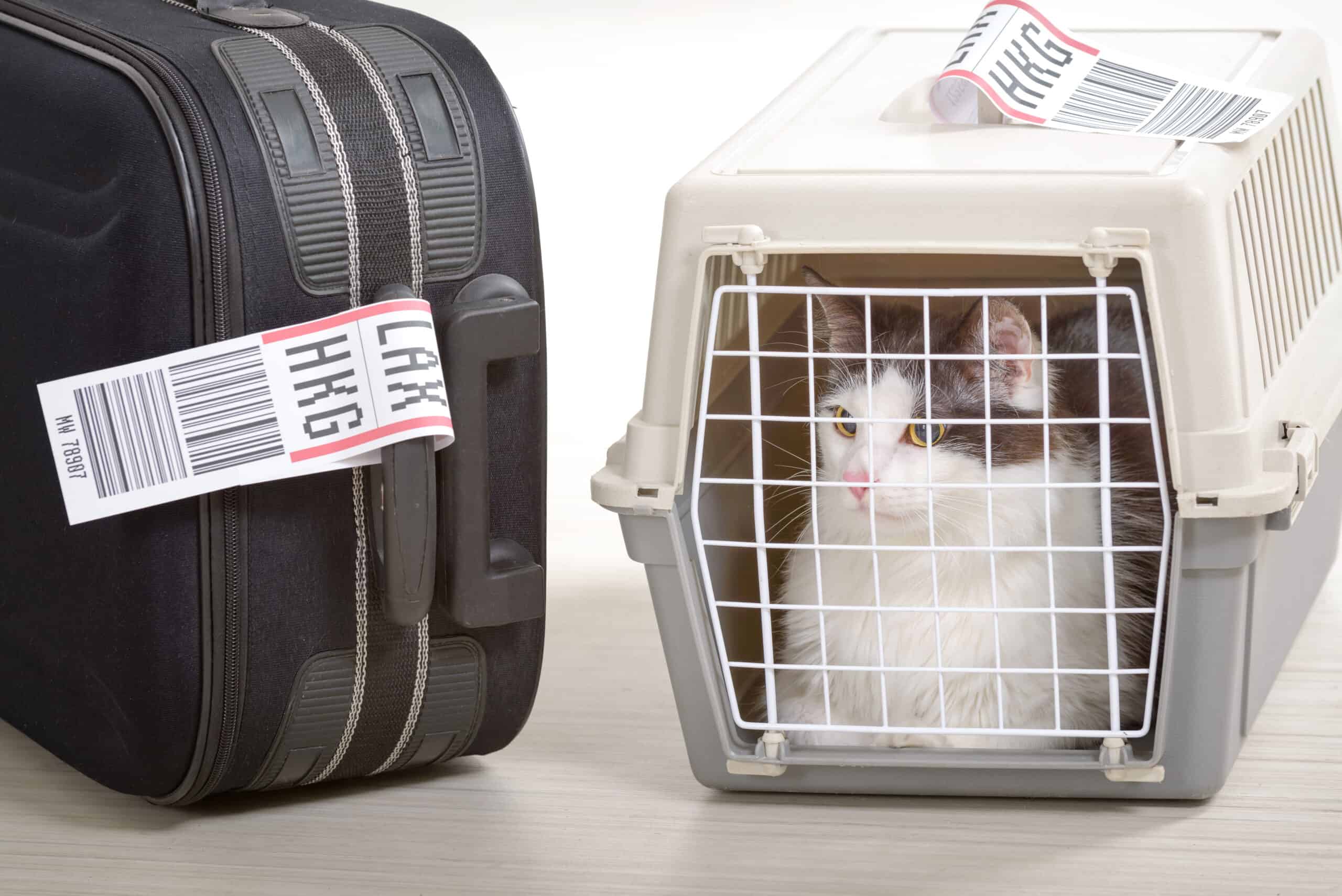
There’s no kind way to say this: the air travel landscape for ESA owners changed significantly in June 2023. Following Canadian Transportation Agency Decision No. 105-AT-C-A-2023, airlines are no longer required to accommodate ESAs as support animals.
The current reality:
- Only dogs qualify (no cats, rabbits, or other species)
- The dog must fit in an airline-approved carrier
- The carrier must remain under the seat for the entire flight
- Regular pet fees apply—typically $50 to $150 each way
- Larger dogs cannot be accommodated as ESAs in cabin
Call your airline directly at least 48 hours before departure to confirm current policies.
Public Access in Manitoba: Clear Boundaries
ESAs do not have public access rights in Manitoba. Only trained service animals under the Service Animals Protection Act qualify for access to public spaces.
Your ESA cannot accompany you to:
- Restaurants, cafes, bars
- Retail stores and shopping centres
- Grocery stores
- Winnipeg Transit or other public transportation
- Hotels and motels (unless they choose to allow pets)
- Hospitals, medical clinics, and pharmacies
- Workplaces (unless your employer specifically grants accommodation)
Businesses can choose to welcome well-behaved animals, but they’re never legally required to. And misrepresenting your ESA as a service animal doesn’t just create legal risk for you personally; it undermines the legitimate rights of people who genuinely depend on service animals every day.
Can my current therapist write my ESA letter in Manitoba?
Absolutely—if they’re licensed in Manitoba and have enough clinical knowledge of your condition to make a credible, documented determination about medical necessity.
I just moved to Manitoba from another province. Is my existing letter valid?
Yes, until it expires. Once it does, you’ll need documentation from a Manitoba-licensed provider.
Do I need to register my ESA with any government agency?
No. There is no ESA registry in Manitoba, in any other province, or at the federal level. Registration services are scams with no legal value whatsoever.
Is CertaPet legitimate in Manitoba?
Yes. CertaPet connects Manitoba residents with mental health professionals licensed to practice in the province. Evaluations are conducted by real clinicians, and all letters meet Manitoba Human Rights Code requirements.
Can my landlord charge a pet deposit for my ESA?
No. ESAs are disability accommodations under the Human Rights Code, not pets. Deposits and fees for accommodations are not permitted.
My lease has a "no pets" clause. Does it apply to my ESA?
For regular pets, yes—Manitoba allows landlords to enforce pet restrictions. But when an animal is medically necessary for a disability, the Human Rights Code overrides the lease. You must request accommodation; it’s not automatic.
What about condo buildings with no-pet bylaws?
Condo corporations carry the same duty to accommodate as landlords under the Human Rights Code. A bylaw cannot override provincial human rights legislation.
Can I have two ESAs?
Possibly, if clinically justified. Your provider would need to document why both animals are medically necessary for your treatment. Expect more thorough review from landlords on multi-animal requests.
Does my ESA need special training?
No formal training is required. That said, your ESA should be housebroken and non-aggressive. An animal that poses a safety risk or causes repeated damage gives landlords legitimate grounds for denial regardless of your documentation.
What species are accepted as ESAs in Manitoba?
No legal restriction limits ESAs to a specific species, though dogs and cats are most commonly accepted. Exotic or unusually large animals may face additional scrutiny.
Can I bring my ESA to work?
Employers aren’t legally obligated to accommodate ESAs the way they must accept service animals. You can request accommodation, but approval depends on workplace safety, operational needs, and other individual factors.








 No pet deposit