





Living in Newfoundland and Labrador with a mental health condition like anxiety, depression, or PTSD can feel isolating, especially during the long, dark winters. An emotional support animal (ESA) offers more than companionship; it provides stability, comfort, and a sense of purpose that can make all the difference in managing your symptoms.
But here’s what many residents don’t realize: while Newfoundland and Labrador has specific laws protecting service animals, ESAs occupy a different legal space. They’re protected under the province’s Human Rights Act when they’re part of your disability-related treatment plan, but only if you have proper documentation from a licensed mental health professional.
This guide cuts through the confusion about ESA laws in Newfoundland and Labrador, explains exactly how housing protections work, and walks you through getting a legitimate ESA letter that landlords must respect.
⚠️ Critical Distinction: Service Animals vs. Emotional Support Animals
Newfoundland and Labrador’s Service Animal Act (2012) provides specific protections for trained service animals: but this Act explicitly excludes emotional support animals and therapy animals. However, ESAs are still protected in housing through the provincial Human Rights Act when required for disability accommodation.
⚠️ Beware of Scams: No Registration or Certification Required
Any company selling “ESA registration” or “ESA certification” in Newfoundland and Labrador is running a scam. There’s no government registry for ESAs. The only document that matters is an ESA letter from a healthcare provider licensed to practice in your province.
Quick Facts: Newfoundland and Labrador ESA Rights
- Housing protections exist: The Human Rights Act (Chapter H14) protects your right to live with an ESA despite “no pets” policies
- Service Animal Act doesn’t apply to ESAs: Only trained service dogs and miniature horses qualify under this Act; ESAs are covered separately under human rights law
- Landlords can request verification: They’re entitled to ask for a medical note confirming your need, but they cannot demand your diagnosis or private medical details
- No public access rights: ESAs cannot accompany you into restaurants, stores, or other public spaces
- Air travel restrictions in effect: Since June 2023, most airlines treat ESAs as regular pets with applicable fees
- Campus housing protections: University and college students are protected under the same Human Rights Act provisions
- Species flexibility: Unlike the Service Animal Act (which limits animals to dogs and miniature horses), ESAs can be various species, although dogs and cats are most commonly accepted
CertaPet is Fully Compliant with Newfoundland and Labrador ESA Law
- Licensed Newfoundland and Labrador mental health professionals
- Fast digital delivery
- 100% money-back guarantee
How to Get Your ESA Letter in Newfoundland and Labrador
Getting an ESA letter doesn’t have to be complicated. Here’s the straightforward path to legitimate documentation.
Step 1: Understand What You’re Actually Getting
An ESA letter is a formal document from a licensed healthcare provider stating that you have a mental health condition that substantially affects your daily life, and that an emotional support animal helps mitigate your symptoms. It’s not a “certificate” or “registration”, it’s clinical documentation of a medical need.
Think of it like a prescription, except instead of medication, your treatment plan includes your animal companion.
Step 2: Find a Healthcare Provider Licensed in Newfoundland and Labrador
Your ESA letter must come from a professional licensed to practice in your province. Acceptable providers include:
Mental Health Professionals:
- Psychologists
- Licensed counselors and therapists
- Clinical social workers
- Psychiatric nurses
Medical Professionals:
- Family physicians
- Psychiatrists
- Nurse practitioners
Where to find them:
- Your current therapist or doctor (if NL-licensed)
- Legitimate telehealth services like CertaPet that connect you with NL-licensed professionals
- Referrals from your family doctor
- Professional licensing bodies in Newfoundland and Labrador
Red flag: Avoid any service that promises instant approval without a real consultation. Legitimate evaluations require actual conversation with a licensed professional who assesses your specific situation.
Step 3: Complete Your Clinical Evaluation
During your evaluation (conducted via phone, video, or in-person), the healthcare provider will assess:
- Whether you have a mental or emotional disability recognized under the Human Rights Act
- How your condition impacts your daily life and functioning
- Whether an ESA is appropriate and beneficial as part of your treatment plan
- Whether having an animal makes sense for your specific living situation
This isn’t a rubber-stamp process. Good providers ask substantive questions because they’re staking their professional license on their clinical judgment.
Step 4: Receive Your ESA Letter
If the provider determines an ESA is clinically appropriate, they’ll issue your letter on official letterhead. A proper Newfoundland and Labrador ESA letter includes:
✓ Provider’s full name, credentials, and license number
✓ Confirmation they’re licensed in Newfoundland and Labrador
✓ Statement that you have a disability recognized under the Human Rights Act
✓ Explanation that the ESA is necessary for your disability-related needs
✓ Date of issuance (letters are valid for 12 months)
✓ Provider’s contact information for verification
What it won’t include: Your specific diagnosis, symptoms, treatment history, or private medical details. Landlords don’t need (and can’t legally demand) this information.
Step 5: Request Accommodation from Your Landlord
Once you have your letter:
- Submit it in writing along with a formal accommodation request
- Reference the Human Rights Act and your right to reasonable accommodation
- Be prepared to engage in good-faith dialogue about any concerns
- Keep documentation of all communications
Sample language: “Under Section 5 of the Newfoundland and Labrador Human Rights Act, I’m requesting reasonable accommodation to live with my emotional support animal. Attached is documentation from my licensed healthcare provider confirming this animal is necessary due to my disability.”
Step 6: Maintain Your Documentation
ESA letters expire after one year. Schedule a renewal consultation before expiration to keep your housing protections current. Think of it like renewing a prescription—your provider should reassess whether the ESA is still clinically appropriate and helpful.
Understanding Housing Rights for ESAs
Here’s where Newfoundland and Labrador’s laws get specific, and where many landlords get confused.
The Legal Foundation: Human Rights Act vs. Service Animal Act
Newfoundland and Labrador has TWO separate legal frameworks for assistance animals:
Service Animal Act (2012): Covers trained service animals (dogs and miniature horses only) that perform specific disability-related tasks. Provides automatic public access rights. Does NOT cover ESAs.
Human Rights Act (Chapter H14): Protects people with disabilities from discrimination in housing, employment, and public services. This is where ESA protections come from.
According to the Newfoundland and Labrador Human Rights Commission’s Guidelines on Rental Housing, while landlords can implement “no pets” policies, these policies may raise human rights concerns when they discriminate against tenants who require service dogs, or emotional support animals, due to disability.
What “Duty to Accommodate” Actually Means
Landlords in Newfoundland and Labrador have a legal duty to accommodate tenants with disabilities to the point of “undue hardship”—a high legal bar.
This means your landlord must:
- Consider your ESA accommodation request in good faith
- Accept properly documented ESAs despite “no pets” clauses
- Not discriminate against you for having a disability-related need for an animal
- Keep your medical information confidential
Your landlord can:
- Request a medical note or evidence of your need (but not your diagnosis)
- Ask whether the animal helps with disability-related needs
- Consider the impact on other tenants (severe allergies, for example)
- Deny accommodation only if it causes genuine undue hardship
Your landlord cannot:
- Demand to know your specific diagnosis
- Ask about your symptoms or treatment details
- Require the animal to demonstrate its abilities
- Automatically refuse based on breed, size, or species
- Charge extra pet deposits or fees for an ESA
The “Undue Hardship” Exception
A landlord can deny your ESA only in specific circumstances:
Legitimate denial reasons:
- Severe documented allergies affecting other tenants (requires medical evidence)
- Direct safety threat from the animal (aggressive behavior, biting incidents)
- Excessive property damage beyond normal wear and tear
- Fundamental alteration of the housing operation
Not legitimate reasons:
- General preference for pet-free building
- Assumptions about potential problems
- Administrative inconvenience
- Other tenants’ general dislike of animals
According to the Human Rights Commission’s guidelines, landlords must balance your accommodation needs with the needs of other tenants—but speculation about potential issues isn’t enough to deny your request.
What If Your Landlord Says No?
If you receive a denial that you believe violates your rights:
- Document everything in writing
- Contact your healthcare provider for support
- File a complaint with the Newfoundland and Labrador Human Rights Commission
- Consider legal consultation for serious discrimination
Contact: Newfoundland and Labrador Human Rights Commission
Phone: 1-800-563-5808 (toll-free) or 709-729-2709
Website: thinkhumanrights.ca
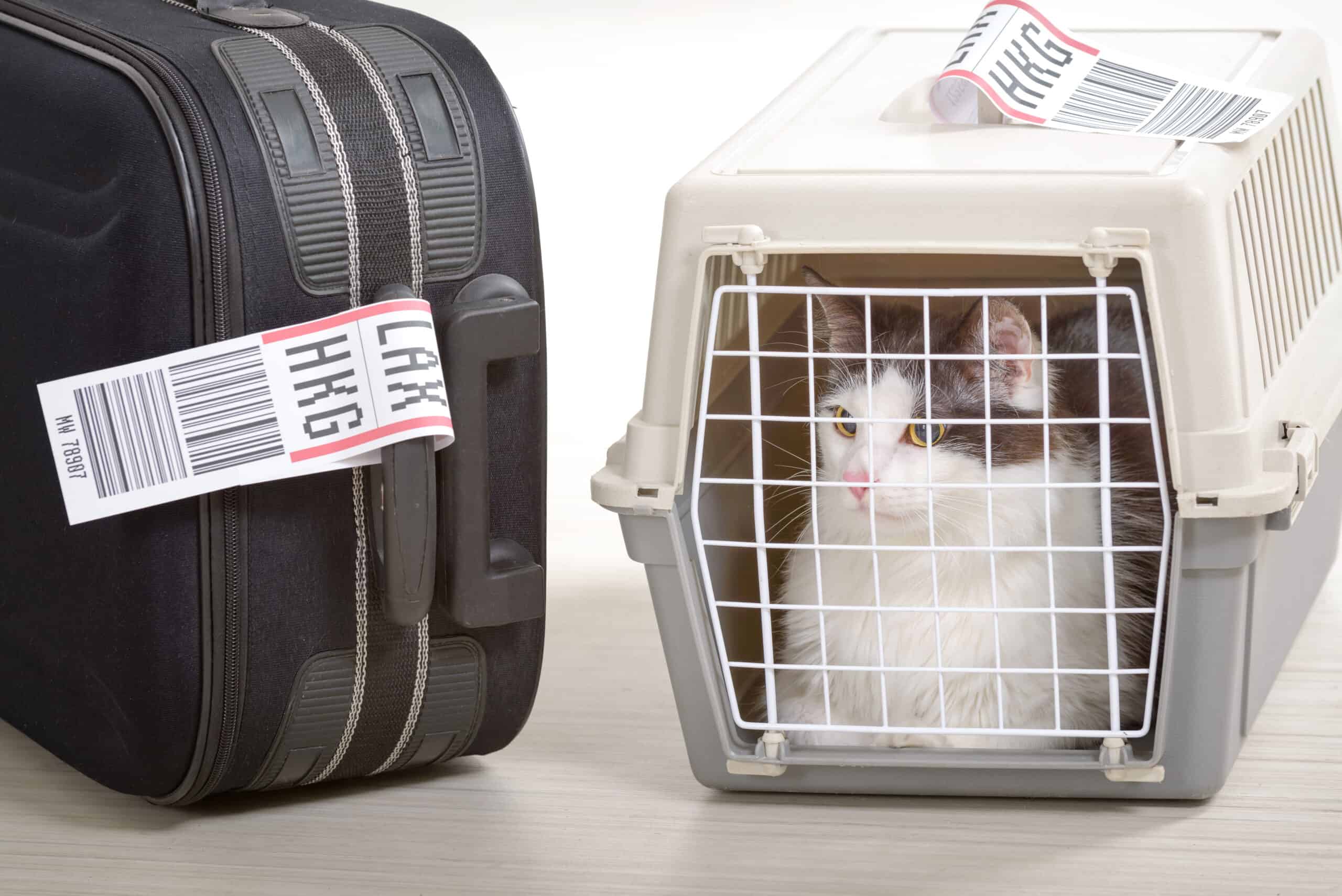
Air Travel with Your ESA: What Changed in 2023
Let’s be direct: ESA air travel isn’t what it used to be.
In June 2023, the Canadian Transportation Agency issued Decision No. 105-AT-C-A-2023, which dramatically restricted ESA accommodations on flights. Here’s the current reality:
What airlines now require:
- Only dogs are accepted as ESAs (no other species)
- The dog must fit in a carrier that meets airline size requirements
- The ESA must remain in the carrier for the entire flight
- Regular pet fees apply in most cases
What this means for you:
- Flying with larger ESAs is essentially impossible now
- Budget for pet fees (typically $50-$125 each way)
- Confirm specific airline policies before booking
- Consider ground transportation for trips with larger animals
Airlines serving Newfoundland and Labrador:
- Air Canada: Treats ESAs as pets; carrier and fee requirements apply
- WestJet: Treats ESAs as pets; carrier and fee requirements apply
- PAL Airlines: Check current policy; likely follows Transport Canada guidelines
Always call the airline directly at least 48 hours before your flight to confirm current ESA policies.
Public Access: Where Your ESA Can and Cannot Go
This is simple but often misunderstood: ESAs do not have public access rights in Newfoundland and Labrador.
Your ESA cannot legally accompany you to:
- Restaurants and cafes
- Grocery stores and retail shops
- Hotels and accommodations (unless they’re pet-friendly)
- Public transportation
- Healthcare facilities
- Government buildings
- Workplaces (unless your employer grants accommodation)
Only service animals trained to perform specific disability-related tasks have these rights under the Service Animal Act.
That said, individual businesses can choose to allow well-behaved animals on their property. But they’re not legally required to, and they can ask you to leave if your ESA isn’t a trained service animal.
Important: Misrepresenting your ESA as a service animal isn’t just unethical—it can result in fines and undermines protections for people who genuinely rely on service animals.
Is CertaPet legitimate in Newfoundland and Labrador?
Yes. CertaPet connects residents with licensed mental health professionals practicing in Newfoundland and Labrador. All evaluations meet provincial requirements, and letters comply with Human Rights Act standards.
Can my current therapist write me an ESA letter?
If they’re licensed to practice in Newfoundland and Labrador, absolutely. Many therapists are familiar with ESA documentation. If yours isn’t, they can consult resources or you can use a specialized service.
What if I just moved from another province?
If you have a current ESA letter from another Canadian province, you can continue using it until it expires. Once it does, you’ll need documentation from a Newfoundland and Labrador-licensed provider.
Do I need to register my ESA with the government?
No. There’s no government registry for ESAs in Newfoundland and Labrador or anywhere in Canada. Anyone selling “registration” is running a scam.
Can my landlord charge me a pet deposit for my ESA?
While Newfoundland and Labrador allows landlords to charge pet deposits, ESAs are not pets under human rights law. Landlords cannot charge deposits or fees for disability accommodations.
My lease says "no pets." Does that apply to my ESA?
“No pets” clauses are enforceable for regular pets in Newfoundland and Labrador. However, when an animal is required due to disability, human rights law overrides the lease. You must request accommodation, but the landlord must grant it unless they can prove undue hardship.
Can I have more than one ESA?
Possibly, if clinically justified. Your healthcare provider would need to document why multiple animals are necessary for your treatment. Landlords may scrutinize multiple-animal requests more carefully.
What species can be ESAs in Newfoundland and Labrador?
While the Service Animal Act limits service animals to dogs and miniature horses, ESAs aren’t bound by this restriction. Dogs and cats are most commonly accepted, but other domestic animals may qualify if clinically appropriate and reasonable for your housing situation.
Does my ESA need any special training?
No formal training is required. However, your ESA should be housebroken, non-aggressive, and under your control. Poorly behaved animals give landlords legitimate grounds for denial based on safety or property damage concerns.
Can I bring my ESA to my university residence?
Yes. Campus housing in Newfoundland and Labrador is covered under the same Human Rights Act protections. Contact your residence office early in the semester and provide your ESA letter.
What about condominiums—do the same rules apply?
Yes. Condominium corporations must accommodate ESAs under the Human Rights Act, even if their bylaws prohibit pets.
Can I take my ESA to work?
Employers aren’t legally required to accommodate ESAs the way they must service animals. However, you can request accommodation. Whether it’s granted depends on factors like workplace safety, allergies, and operational requirements.








 No pet deposit