





If you live in Nova Scotia and rely on an emotional support animal (ESA) to manage symptoms of anxiety, depression, PTSD, or another mental health condition, understanding your legal rights is essential. While Nova Scotia has strong legal protections for service dogs under the Service Dog Act (2022), emotional support animals fall under a different legal framework based on disability accommodation rights.
This comprehensive guide explains Nova Scotia’s ESA laws, housing protections under the Human Rights Act, how to obtain a legitimate ESA letter from a licensed mental health professional in the province, and crucial information about where Nova Scotia ESAs are and aren’t permitted.
⚠️ Critical Warning: Service Animal Misrepresentation Penalties
Nova Scotia law imposes fines up to $3,000 for falsely representing an animal as a service dog. ESAs do NOT have public access rights and cannot be brought into restaurants, stores, or other public places by claiming they are service animals.
⚠️ Warning: No Official ESA Registration or Certification Exists
Companies selling “ESA registration” or “ESA certification” in Nova Scotia are fraudulent. The only legally valid documentation is an ESA letter from a licensed Nova Scotia mental health professional.
Quick Facts: Nova Scotia ESA Rights
- Housing protections: ESAs in Nova Scotia are protected under the Nova Scotia Human Rights Act (Chapter 214) through duty to accommodate
- No automatic exemption from pet policies: Unlike Ontario’s blanket void of no-pet clauses, Nova Scotia ESAs require accommodation requests under human rights law
- Breed and size restrictions don’t apply: ESAs cannot be denied based on breed, weight, or age when properly documented and accommodated
- No public access rights: ESAs in Nova Scotia CANNOT enter restaurants, stores, or public places: only certified service dogs have access rights under the Service Dog Act
- $3,000 fine for misrepresentation: Falsely representing an ESA as a service dog carries significant penalties
- Air travel protections: Canadian Transportation Agency regulations may provide air travel rights for ESAs with valid documentation
- No workplace guarantees: Employment access depends on employer discretion and individual accommodation requests
CertaPet is Fully Compliant with Nova Scotia ESA Law
- Licensed Nova Scotia mental health professionals
- Fast digital delivery
- 100% money guarantee
What is an Emotional Support Animal in Nova Scotia?
An emotional support animal (ESA) in Nova Scotia is any domesticated animal that provides therapeutic emotional support to individuals with mental health or emotional disabilities through its presence and companionship.
Unlike service dogs, ESAs do not require specialized training to perform specific disability-related tasks. Their therapeutic value comes from the comfort, stability, and emotional relief they provide simply by being present.
Service Dogs vs. ESAs in Nova Scotia
Service Dogs:
- Covered under the Service Dog Act (2022)
- Have public access rights to all places where the public is allowed
- Must be certified through the Nova Scotia Service Dog Program
- Can access restaurants, stores, public transportation, rental housing
- Protected from discrimination in tenancy (cannot be denied housing)
Emotional Support Animals:
- NOT covered under the Service Dog Act
- Protected in housing through the Nova Scotia Human Rights Act (duty to accommodate)
- Do NOT have public access rights
- Cannot enter restaurants, stores, or most public places
- Require valid ESA letter for housing accommodation
Nova Scotia ESA Laws: Provincial Protections
Emotional support animals in Nova Scotia exist in a complex legal landscape. Unlike service dogs, which have dedicated legislative protection under the Service Dog Act, ESAs must rely on broader disability accommodation principles.
Nova Scotia Human Rights Act (Chapter 214)
The Nova Scotia Human Rights Act provides the foundation for ESA housing protections. Section 5 protects individuals from discrimination based on disability in housing accommodations.
While the Act does not specifically mention emotional support animals, it has been interpreted to include the duty to accommodate individuals with mental health disabilities who require ESAs as part of their treatment plan.
Key principle: Landlords have a duty to accommodate tenants with disabilities to the point of “undue hardship.” For individuals with valid ESA letters documenting mental health conditions, this often means allowing the ESA even in properties with no-pet policies.
Important Note: This protection is NOT automatic. Unlike Ontario’s Residential Tenancies Act, which voids all no-pet clauses, Nova Scotia requires tenants to actively request accommodation under human rights legislation.
Residential Tenancies Act
Nova Scotia’s Residential Tenancies Act governs landlord-tenant relationships but does not specifically address emotional support animals. ESA protections come through the Human Rights Act’s duty to accommodate, not through automatic exemptions in tenancy law.
This means:
- No-pet clauses in leases are legally enforceable for regular pets
- ESAs require a formal accommodation request based on disability
- Landlords can ask for verification of disability-related need
- Proper documentation is essential
Service Dog Act (2022)
The Service Dog Act provides strong protections for certified service dogs in Nova Scotia, including:
- Public access rights
- Housing protections
- Penalties for denial ($3,000 maximum fine)
- Certification through provincial program
ESAs are explicitly NOT covered under this Act. The Act specifically states that it “doesn’t prohibit public places from accommodating therapy and emotional support animals, but these animals don’t have the right of access that service dogs do.”
Federal Travel Protections
Accessible Transportation for Persons with Disabilities Regulations (ATPDR)
Canada’s federal transportation regulations historically allowed emotional support animals for air travel. However, a 2023 ruling by the Canadian Transportation Agency significantly restricted ESA air travel rights.
Current Status: Most airlines now treat ESAs as regular pets. Check with individual airlines about their current ESA policies, as regulations continue to evolve.
Where ESAs Are NOT Protected in Nova Scotia
- Public spaces: Restaurants, grocery stores, shopping malls, retail stores
- Public transportation: Buses, ferries (unless airline-specific policies allow)
- Hotels and motels: Unless pet-friendly
- Workplaces: No automatic protections; employer discretion
- Healthcare facilities: Hospitals and clinics can restrict animal access
- Educational institutions: Universities and colleges have separate processes
Attempting to bring an ESA into these spaces by falsely claiming it’s a service dog violates the Service Dog Act and carries fines up to $3,000.
Who Can Issue an ESA Letter in Nova Scotia?
Your ESA letter must be issued by a healthcare provider licensed to practice in Nova Scotia. Acceptable professionals include:
✅ Licensed Mental Health Professionals
- Registered psychologists
- Licensed counseling therapists
- Clinical social workers
- Registered psychiatric nurses
✅ Medical Professionals
- Physicians (MD)
- Psychiatrists
- Nurse practitioners
Critical Requirement: The provider must be licensed and practicing in Nova Scotia. Out-of-province providers cannot issue valid Nova Scotia ESA letters unless the letter was obtained while you were physically located in that province.
Therapeutic Relationship Requirement
Healthcare providers in Nova Scotia who prescribe ESA letters must have direct knowledge of a patient’s condition through a legitimate professional therapeutic relationship. Telehealth consultations are acceptable if they involve genuine clinical evaluation, not just a cursory online quiz or instant approval.
Important: Services promising “instant ESA letters” without proper consultations are fraudulent and will likely be rejected by landlords invoking their right to verify documentation.
What Must a Nova Scotia ESA Letter Include?
A legally valid Nova Scotia ESA letter should contain:
- Provider’s official letterhead with practice name and address
- Provider’s full name, credentials, and license information
- License type
- License number
- Province of licensure (must be Nova Scotia)
- Contact information for verification
- Date of issuance
ESA letters are valid for 12 months from the issue date - Your name (as the person qualifying for the ESA)
- Statement confirming disability
Confirmation that you have a mental or emotional disability that substantially limits a major life activity (specific diagnosis not required) - Statement about the animal’s therapeutic role
Explanation that the animal helps alleviate disability-related symptoms and is part of your treatment plan - Confirmation of professional knowledge
Statement that the provider has personal knowledge of your condition gained through a therapeutic relationship
What the letter should NOT include:
- Specific psychiatric diagnosis
- Details about symptoms or treatment
- Private medical records
Landlords can request verification that the letter is legitimate and that you have a disability requiring accommodation, but they cannot demand private medical details.
How to Get an ESA Letter in Nova Scotia
Follow these steps to obtain a legally valid Nova Scotia ESA letter:
Step 1: Find a Nova Scotia-Licensed Mental Health Professional
You can:
- Request an ESA evaluation from your current therapist or doctor (if licensed in Nova Scotia)
- Use a legitimate online telehealth service like CertaPet that connects you with Nova Scotia-licensed professionals
- Seek referrals from your family doctor
Avoid: Instant online ESA certificates, ESA registries, or any service that doesn’t conduct a real evaluation with a licensed Nova Scotia provider.
Step 2: Complete a Clinical Evaluation
The licensed mental health professional will assess:
- Whether you have a mental or emotional disability recognized under the Human Rights Act
- Whether an ESA is necessary and beneficial as part of your treatment plan
- Whether having an animal is appropriate and reasonable for your living situation
- How the specific animal helps alleviate symptoms of your disability
This evaluation can be conducted via telehealth (phone or video) or in-person.
Step 3: Receive Your ESA Letter
If approved, the mental health professional will issue your ESA letter on their official letterhead. Most reputable online services provide:
- Electronic PDF version (immediately)
- Printable copy
- Hard copy via mail (upon request)
Step 4: Request Accommodation from Landlord
For Housing:
- Provide your ESA letter to your landlord or property manager
- Make a formal accommodation request under the Nova Scotia Human Rights Act
- Explain that you require the ESA as a disability-related accommodation
- Landlords can verify the letter’s legitimacy but cannot ask about your specific diagnosis
Important: Unlike Ontario where no-pet clauses are automatically void, in Nova Scotia you must actively request accommodation.
Step 5: Maintain Current Documentation
ESA letters expire after 12 months. Schedule a renewal consultation with your Nova Scotia-licensed mental health professional before your letter expires to maintain continuous housing protections.
Nova Scotia ESA Housing Rights Explained
How Housing Accommodation Works in Nova Scotia
Nova Scotia ESA housing rights operate under the duty to accommodate framework in the Human Rights Act, rather than through automatic exemptions in tenancy law.
The Process:
- You obtain a valid ESA letter from a Nova Scotia-licensed provider
- You make a formal accommodation request to your landlord
- You provide your ESA letter as documentation
- The landlord must accommodate unless it would cause “undue hardship”
What Landlords MUST Do
Under the Nova Scotia Human Rights Act’s duty to accommodate, landlords must:
✅ Consider ESA accommodation requests in good faith
✅ Accept properly documented ESAs even with “no pets” policies
✅ Waive pet deposits, pet rent, and pet fees for documented ESAs
✅ Waive breed, size, and weight restrictions for ESAs
✅ Engage in the accommodation process
✅ Keep your medical information confidential
What Landlords CANNOT Do
❌ Automatically refuse ESAs without considering accommodation
❌ Charge extra fees or deposits for properly documented ESAs
❌ Apply breed-specific restrictions to ESAs
❌ Enforce weight or size limits on ESAs
❌ Request detailed medical records or specific diagnosis
❌ Deny housing solely because of your ESA (when properly documented)
❌ Retaliate against you for requesting accommodation
“Undue Hardship” Standard
Landlords can deny an ESA accommodation request if it would cause “undue hardship.” This is a high legal threshold and includes:
Legitimate grounds for denial:
- Substantial property damage: The animal has caused or is causing excessive damage beyond normal wear and tear
- Direct threat to safety: The animal demonstrates aggressive behavior, has bitten someone, or poses a genuine safety risk to other tenants
- Severe allergies: Another tenant has a documented severe allergy that creates a health risk (landlord must provide medical evidence under Bill 350 proposals)
- Fundamental alteration: The accommodation would fundamentally alter the nature of the housing (extremely rare)
NOT legitimate grounds for denial:
- General fear of dogs or specific breeds
- Preference for pet-free environment
- Assumption that ESA will cause problems
- Dislike of the animal’s appearance
- Breed, size, or weight alone
Important: You remain financially responsible for any actual damage your ESA causes to the property. Landlords can charge for repairs after the fact.
Family Pet Renter Protection Act (Bill 350)
Note: Family Pet Renter Protection Act Bill 350, introduced in 2023, proposed prohibiting landlords from making blanket “no animals” rules. While this bill has not yet passed, it indicates growing recognition of animal companionship rights in Nova Scotia housing.
The bill also proposed requiring medical evidence if landlords claim serious allergy-based grounds for refusal.
What If My Landlord Denies My ESA?
If you believe your ESA accommodation request has been wrongfully denied:
- Request a written denial that addresses the reasons for the rejection in detail
- Contact your mental health professional who issued the letter for support
- File a complaint with the Nova Scotia Human Rights Commission (902-424-4111)
- Contact Residential Tenancies Program for guidance
- Consult an attorney specializing in human rights or housing discrimination
- Document everything: Keep all written communications with your landlord
Nova Scotia Service Dog Act: Why It Matters for ESAs
Understanding the Service Dog Act is crucial for ESA owners because it clarifies what rights you do NOT have.
Service Dogs Have These Rights (ESAs Do Not):
✅ Public access to all places where the public is allowed
✅ Cannot be denied rental housing
✅ Automatic legal protection without accommodation requests
✅ Provincial certification and ID card system
✅ Legal right to accompany handler in restaurants, stores, transportation
Penalties for Misrepresentation
Maximum fine: $3,000
It is illegal in Nova Scotia to falsely represent an animal as a service dog when it is not. This includes:
- Putting a service dog vest on an ESA
- Claiming your ESA is a service dog to gain public access
- Using fraudulent service dog certification
- Misrepresenting your ESA’s training or status
The law is clear: ESAs do not have the same legal protection as service animals. Do NOT attempt to bring your ESA into public places by claiming it’s a service dog.
Nova Scotia ESA Travel Rights
Air Travel with Your ESA
Important 2023 Update: The Canadian Transportation Agency issued Decision No. 105-AT-C-A-2023 significantly restricting ESA air travel rights.
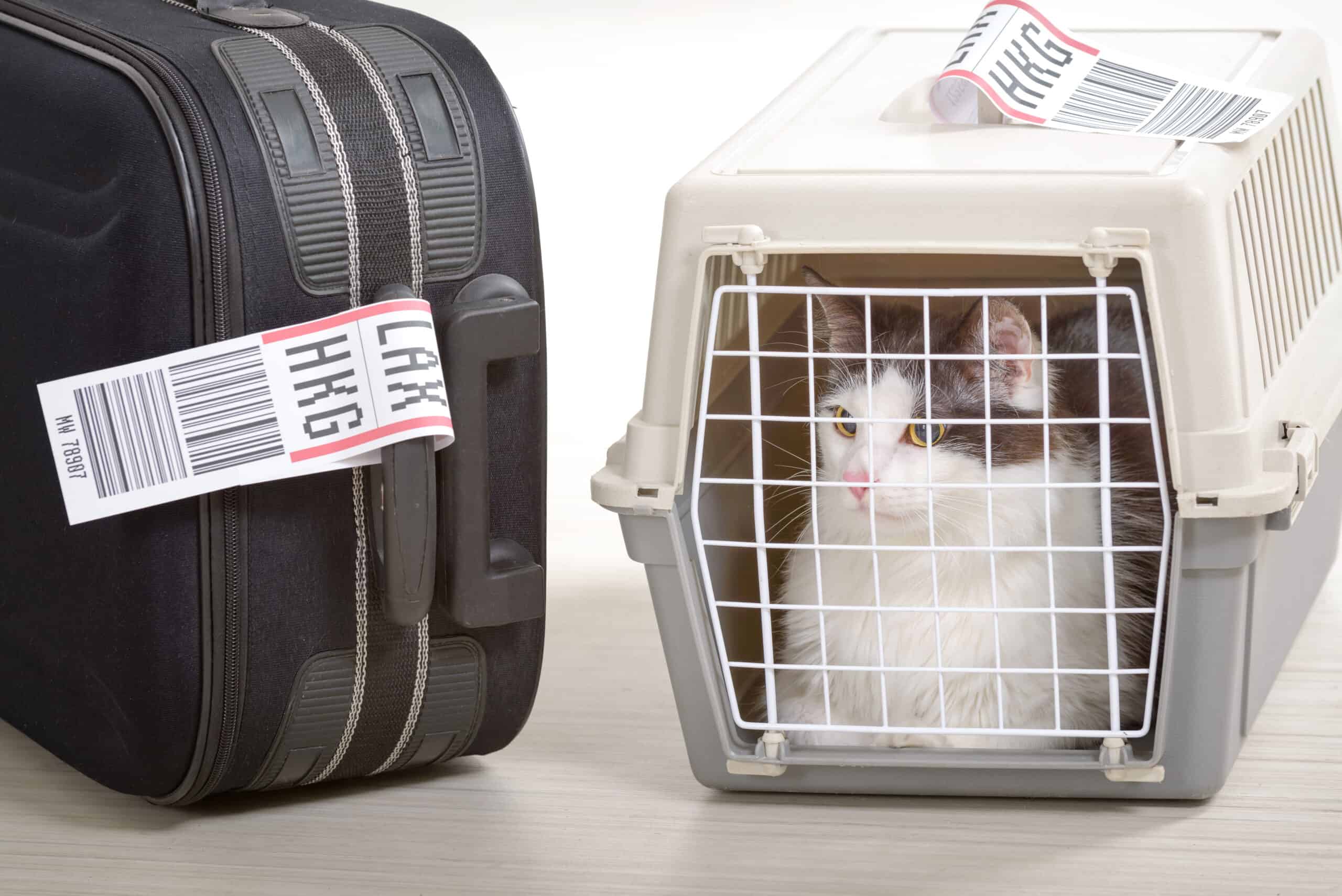
Current reality: Most airlines now treat ESAs as regular pets and charge applicable pet fees. ESAs must travel in approved carriers under the seat or in cargo, depending on size and airline policy.
Important Distinction: Only emotional support dogs* are protected under ATPDR. Other ESA species (cats, rabbits, etc.) are subject to individual airline pet policies.
Requirements if an airline allows ESAs:
- Valid ESA letter from Nova Scotia-licensed mental health professional
- 48-hour advance notice minimum
- Animal must be well-behaved and under control
- May need vaccination records
- Size and species restrictions apply
Airlines Operating in Nova Scotia:
- Air Canada
- WestJet
- Porter Airlines
- PAL Airlines
- Others (check specific airline policies)
Always confirm current policies before booking.
Common ESA Scams in Nova Scotia
Red Flags to Avoid
🚩 “ESA Registration” or “ESA Certification”
No official registry exists for ESAs in Canada. Registration certificates have no legal value and won’t help with landlord accommodation.
🚩 Instant approval with no evaluation
Legitimate ESA letters require a real consultation with a licensed Nova Scotia mental health professional.
🚩 Providers not licensed in Nova Scotia
ESA letters must come from professionals licensed to practice in Nova Scotia.
🚩 “Free ESA letters”
Real evaluations with licensed therapists have associated professional fees. “Free” letters are worthless.
🚩 Generic templates or certificates
Legitimate ESA letters are on official letterhead from a licensed practice.
🚩 Claims that ESAs have public access rights
Any service claiming your ESA can access public places is lying and could get you fined $3,000.
🚩 “Service Dog Certification” for ESAs
ESAs cannot be certified as service dogs. This is illegal misrepresentation.
How to Verify Legitimacy
✅ Confirm the provider is licensed in Nova Scotia
✅ Ensure you have a real consultation (phone, video, or in-person)
✅ Verify the letter includes all required elements
✅ Check that the letter is on official professional letterhead
✅ Confirm the provider’s license can be verified with Nova Scotia regulatory bodies
Is CertaPet legitimate in Nova Scotia?
Yes. CertaPet connects Nova Scotia residents with licensed mental health professionals practicing in the province for legitimate ESA evaluations. All letters comply with Nova Scotia and federal requirements.
Can I use an ESA letter from another province?
If you recently moved to Nova Scotia and have a current ESA letter from another Canadian province, you may continue using it until it expires. Once expired, you must obtain a new letter from a Nova Scotia-licensed provider.
Do I need to register my ESA in Nova Scotia?
No. There is no official ESA registration in Nova Scotia or anywhere in Canada. ESA registration services are scams. The only legally valid documentation is an ESA letter from a licensed mental health professional.
Can my landlord charge me a pet deposit for my ESA?
No. Under the duty to accommodate framework, landlords cannot charge pet deposits, pet fees, or pet rent for properly documented ESAs. However, you remain financially responsible for any damage caused by your ESA.
Can I bring my ESA into restaurants and stores?
Absolutely not. ESAs do NOT have public access rights in Nova Scotia. Only certified service dogs can access public places under the Service Dog Act. Falsely representing your ESA as a service dog can result in fines up to $3,000.
What if my condo corporation has a no-pet rule?
Condominium corporations in Nova Scotia must accommodate ESAs under the Human Rights Act when you have valid documentation and make a proper accommodation request.
Can I have multiple ESAs?
Possibly. Some individuals require multiple emotional support animals to address different aspects of their disability. Each ESA should be documented with a valid ESA letter explaining the specific therapeutic role of each animal.
What species can be ESAs in Nova Scotia?
Any domesticated animal can be an ESA: dogs, cats, rabbits, guinea pigs, birds, etc. However, landlords may legitimately question whether exotic or unusual animals are reasonable accommodations.
Do ESAs need training in Nova Scotia?
No formal training is required. However, your ESA must meet basic behavior standards (housebroken, non-aggressive, under control). Poorly behaved ESAs can be legitimately denied even with valid documentation.
Can I bring my ESA to work?
ESAs do not have automatic workplace protections. You would need to request accommodation from your employer under human rights legislation, evaluated on a case-by-case basis.
How is Nova Scotia different from Ontario for ESAs?
Nova Scotia requires active accommodation requests under the Human Rights Act, unlike Ontario’s Residential Tenancies Act which automatically voids all no-pet clauses. Ontario provides stronger automatic protections, while Nova Scotia requires more documentation and engagement with the accommodation process.







 No pet deposit