





Finding mental health support on Prince Edward Island can feel like navigating a maze: especially if you’re outside Charlottetown or Summerside, where specialists are scarce and wait times stretch for months. For Islanders managing anxiety, depression, PTSD, or other mental health conditions, an emotional support animal often provides the consistent, daily support that clinical appointments scheduled weeks apart simply cannot.
But here’s the reality: PEI’s rental market is incredibly tight, vacancy rates hover near historic lows, and many landlords explicitly prohibit pets. In fact, the provincial government recently voted down legislation that would have automatically protected tenants’ rights to have animals, meaning “no pets” clauses remain fully enforceable for regular pets in Prince Edward Island.
So how do emotional support animals fit into this landscape? Your rights come from the PEI Human Rights Act, which prohibits disability discrimination in housing and requires landlords to accommodate medically necessary ESAs even when pet policies exist. Understanding this distinction,between pets (which landlords can freely refuse) and disability accommodations (which they generally cannot), is crucial for Island residents who need ESAs.
⚠️ PEI Recently Rejected Automatic Pet Rights
In November 2022, PEI’s legislature voted against amending the Residential Tenancy Act to protect tenants’ rights to have pets (similar to Ontario’s model). This means “no pets” clauses are legally enforceable on the Island for regular pets. ESAs are different, they’re protected as disability accommodations under the Human Rights Act, not as pets, but you must actively request accommodation.
⚠️ No Official Registration Exists in PEI
Prince Edward Island has no government registry or certification system for emotional support animals or service animals. Any website selling “official PEI ESA registration,” certificates, or ID cards is selling documents with zero legal value. The only documentation that matters is an ESA letter from a PEI-licensed healthcare professional.
Quick Facts: Prince Edward Island ESA Rights
- PEI Human Rights Act protects you: Prohibits discrimination based on disability in accommodations, including housing
- “No pets” clauses are enforceable for regular pets: Unlike Ontario, PEI allows landlords to prohibit pets in rental agreements
- ESAs receive different treatment: When medically necessary for a disability, landlords must accommodate despite pet restrictions
- Duty to accommodate is mandatory: Landlords must grant reasonable accommodation to the point of undue hardship
- No standardized service animal certification: PEI has no formal government certification or registration process for service animals or ESAs
- Individual assessment applies: Each accommodation request is evaluated based on medical documentation and specific circumstances
- Small island, tight market: Limited rental inventory means landlord discretion is significant, proper documentation is essential
- PEI Human Rights Commission handles complaints: Discrimination complaints go through the provincial Human Rights Commission
- No public access rights: ESAs cannot accompany you into restaurants, stores, or public spaces
- Air travel severely restricted: Since June 2023, airlines treat ESAs as regular pets with fees
CertaPet is Fully Compliant with Prince Edward Island ESA Law
- Licensed Prince Edward Island mental health professionals
- Fast digital delivery
- 100% money-back guarantee
How to Get Your PEI ESA Letter
Getting a legitimate ESA letter on Prince Edward Island requires working with locally licensed professionals who understand Island housing realities.
Step 1: Understand What You’re Requesting
On Prince Edward Island, where landlords have significant discretion and pet-friendly rentals are rare, you’re not asking for permission to have a pet. An emotional support animal represents a reasonable accommodation based on disability under the PEI Human Rights Act.
This means establishing two things:
A recognized disability: A mental or emotional condition that substantially limits one or more major life activities. This includes depression, anxiety disorders, PTSD, bipolar disorder, panic disorder, and similar diagnosed conditions.
Medical necessity: That your emotional support animal specifically and meaningfully helps alleviate your disability-related symptoms, not just that you enjoy having an animal around.
Given PEI’s recent legislative decision to preserve landlord discretion on pet policies, the strength of your medical documentation matters more here than in provinces with automatic pet protections.
Step 2: Work with a PEI-Licensed Healthcare Provider
Your ESA letter must come from a professional licensed to practice in Prince Edward Island. Acceptable providers include:
Mental health professionals:
- Registered psychologists (PEI Psychologists Registration Board)
- Registered social workers
- Registered nurses with mental health specialization
- Licensed counselors and therapists
Medical professionals:
- Family physicians
- Psychiatrists
- Nurse practitioners
Verification:
- PEI Psychologists Registration Board: peipsychologists.ca
- College of Physicians and Surgeons of PEI: cpspei.ca
- Association of Registered Nurses of PEI: arnpei.ca
Out-of-province providers cannot issue valid PEI ESA letters unless you were physically located in that province at the time of evaluation.
Step 3: Complete a Comprehensive Clinical Evaluation
Because PEI landlords have considerable discretion—and because Island rental inventory is so limited that losing housing over documentation issues is a genuine risk—your assessment needs to be thorough.
A legitimate evaluation includes:
- Detailed mental health history and current symptom assessment
- Functional impact analysis (how your condition affects work, relationships, daily activities)
- Review of current treatment approaches (therapy, medication, support systems)
- Specific documentation of how your ESA helps mitigate symptoms
- Clinical determination that the animal is medically necessary
- Discussion of whether an ESA is appropriate for Island living situations
This isn’t a checkbox exercise. Providers who understand PEI’s housing landscape create documentation strong enough to withstand landlord scrutiny and potential Human Rights Commission review.
Step 4: Verify Your Letter Meets PEI Requirements
A proper PEI ESA letter includes:
✓ Provider’s name, professional designation, and license number
✓ PEI licensing confirmation and regulatory body contact information
✓ Statement that you have a disability protected under the PEI Human Rights Act
✓ Explanation of medical necessity—how the ESA helps and why it’s required
✓ Date of issue and validity period (typically 12 months)
✓ Provider’s contact information for landlord verification
Step 5: Submit Your Accommodation Request Strategically
On Prince Edward Island, where rental options are limited and landlord discretion is legally protected, you should approach your accommodation request carefully.
Be proactive: Submit your request before bringing an animal home. Surprising landlords with an ESA after signing a “no pets” lease creates immediate conflict.
Put everything in writing: Reference the PEI Human Rights Act and your right to reasonable accommodation based on disability. Attach your ESA letter.
Maintain professionalism: Remember that PEI is a small community where landlord-tenant relationships often involve people who know each other. A collaborative tone works better than adversarial language.
Sample approach: “I am requesting reasonable accommodation under the Prince Edward Island Human Rights Act to live with my emotional support animal. Attached is documentation from my PEI-licensed healthcare provider confirming this animal is medically necessary for my disability. I understand this is different from a pet request, and I’m happy to discuss any questions you may have.”
Step 6: Keep Documentation Current
Renew your ESA letter annually. Mental health treatment evolves, and responsible providers periodically reassess whether an ESA remains clinically appropriate. Current documentation also protects you if housing circumstances change mid-tenancy.
Housing Rights in PEI: What Landlords Need to Know
Two Different Legal Standards
PEI Residential Tenancy Act: Allows landlords to include and enforce “no pets” clauses in rental agreements. The provincial government recently affirmed this approach by voting down amendments that would have prohibited such clauses.
PEI Human Rights Act: Prohibits discrimination based on disability in accommodations, including housing. When an animal is medically necessary for a disability (not just a pet), landlords must provide reasonable accommodation.
These laws work differently but both apply. Regular pets can be refused. Disability accommodations generally cannot.
What Landlords Must Do
When you submit a legitimate ESA accommodation request with proper medical documentation:
✓ Consider your request in good faith
✓ Grant accommodation unless genuine undue hardship exists
✓ Waive “no pets” restrictions for your medically necessary ESA
✓ Refrain from applying breed, size, or weight restrictions
✓ Protect medical information confidentiality
✓ Not charge pet deposits or fees for ESAs
What Landlords Cannot Do
❌ Refuse based solely on a “no pets” clause
❌ Demand your specific diagnosis
❌ Request detailed medical records or treatment history
❌ Apply pet restrictions (breed, weight, age) to ESAs
❌ Charge deposits, fees, or additional rent for disability accommodations
❌ Retaliate against you for requesting accommodation
The Undue Hardship Standard
Landlords can deny ESA accommodation only when it creates genuine undue hardship. Valid grounds typically include:
Legitimate reasons for denial:
- Another tenant’s severe, medically documented allergies
- Documented aggressive behavior creating safety concerns
- Excessive property damage beyond normal wear and tear
- Fundamental alteration of housing operations
Invalid reasons:
- Personal dislike of animals
- Speculation about potential problems
- Other tenants’ preferences without medical basis
- Minor inconvenience or administrative burden
If Your Request Is Denied
Request for the denial to be put in writing highlighting specific specific reasons. Contact your healthcare provider; many denials result from landlord confusion about the law rather than legitimate hardship.
If good-faith dialogue fails, file a complaint with the Prince Edward Island Human Rights Commission.
Contact Information:
Phone: 902-368-4180
Website: peihumanrights.ca
Air Travel from Prince Edward Island
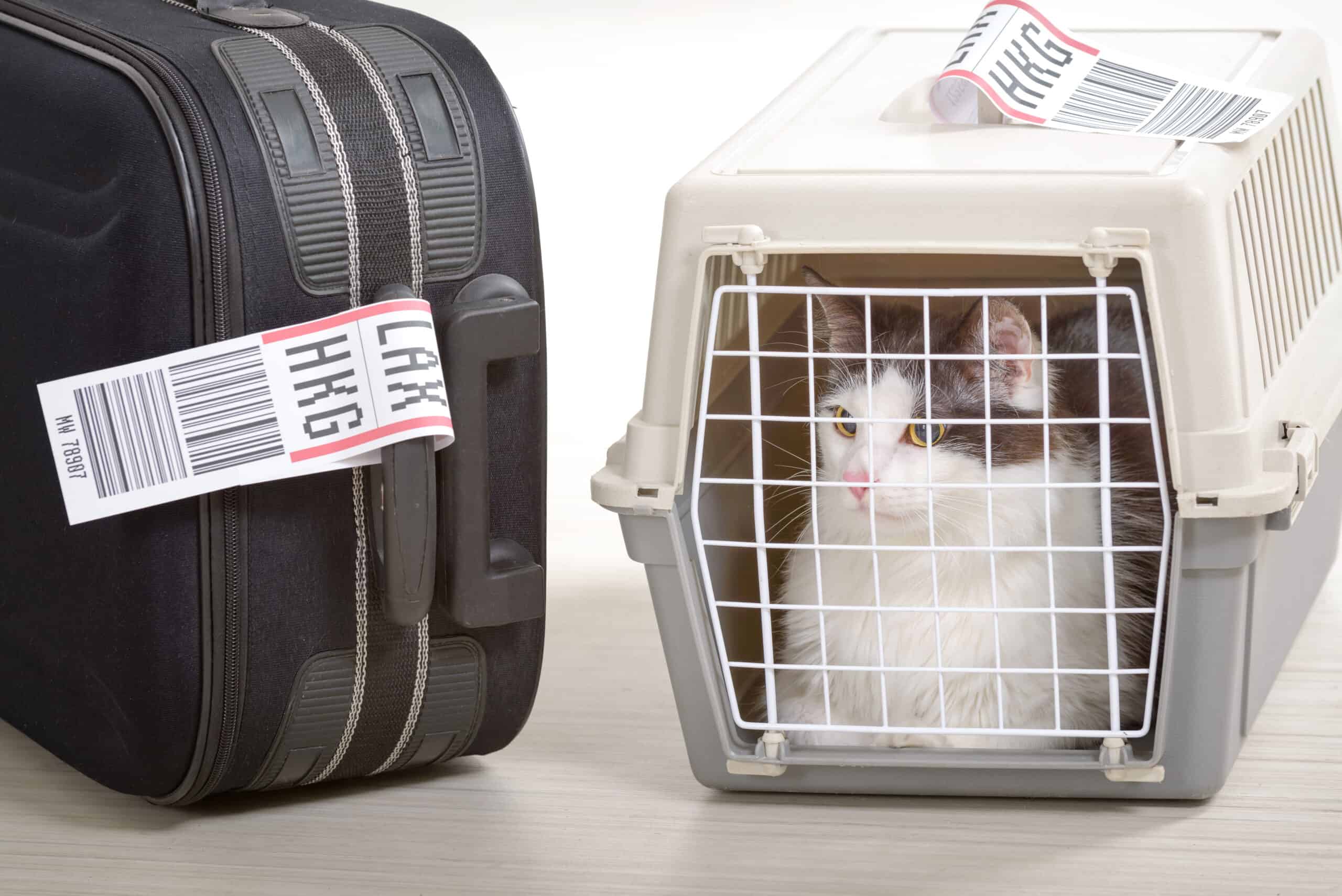
Following the June 2023 Canadian Transportation Agency ruling (Decision No. 105-AT-C-A-2023), ESA air travel protections are gone.
Current requirements:
- Only dogs qualify (no other species)
- Must fit in airline-approved carrier under seat
- Carrier must remain closed for entire flight
- Regular pet fees apply ($50-$150+ each way)
- Larger dogs cannot travel as ESAs in cabin
Confirm current policies directly with airlines at least 48 hours before departure.
Public Access Rights on PEI
ESAs have no public access rights in Prince Edward Island. Only trained service dogs qualify for public space access.
Your ESA cannot legally accompany you to:
- Restaurants, cafes, bars
- Retail stores and shopping centres
- Grocery stores (Sobeys, Atlantic Superstore, etc.)
- Public transit (T3 Transit)
- Hotels unless pet-friendly
- Confederation Centre of the Arts and public venues
- Hospitals and medical facilities
- Workplaces (unless employer grants specific accommodation)
Some Island businesses welcome well-behaved animals as a courtesy, but they’re never legally required to. Misrepresenting your ESA as a service animal creates legal problems while undermining legitimate service animal rights.








 No pet deposit